Common Reasons Nigerian Students Get Rejected for USA Scholarships
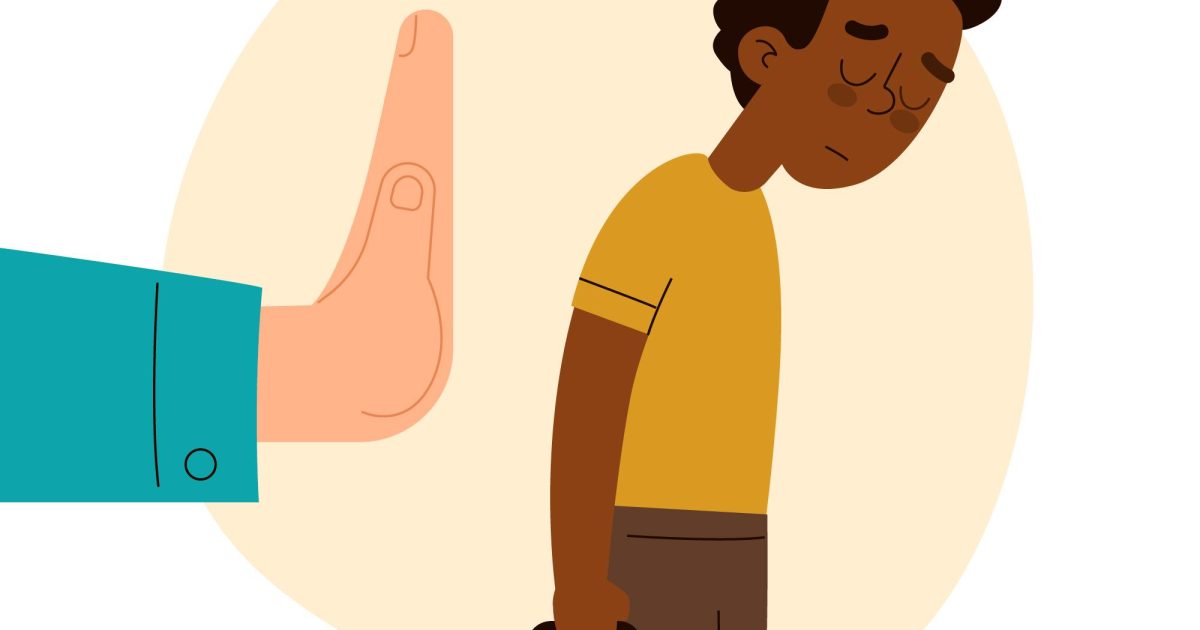
Table of Content
1. Introduction
2. Weak Academic Profile
3. Poor Personal Statement and Essays
4. Incomplete or Incorrect Documentation
5. Low Standardized Test Scores
6. Poor Scholarship Strategy
7. Weak Recommendation Letters
8. Lack of Professional Guidance
9. Final Thoughts
1. Introduction
USA scholarships are highly competitive, especially fully funded programmes. Every year, thousands of Nigerian students apply with good intentions but still receive rejection emails.
In most cases, these rejections are not caused by lack of intelligence or potential, but by gaps in preparation, documentation, and overall strategy.
Understanding the most common reasons Nigerian students get rejected helps you avoid costly mistakes and apply with clarity and confidence.
If you are still exploring funding options, you may want to start with our guide on fully funded scholarships in the USA for international students.
2. Weak Academic Profile
Many USA scholarships have minimum academic benchmarks, even when they claim to be holistic.
Common academic issues include:
Low CGPA without proper explanation
Inconsistent academic performance
Poor relevance between previous study and intended programme
Scholarship committees look for academic consistency and growth. Even with an average CGPA, a strong improvement trend and a clear academic story can strengthen your application.
This is why positioning your profile strategically matters, especially for average students.
You may find this helpful: Can an average Nigerian student get a fully funded USA scholarship?
3. Poor Personal Statement and Essays
This is one of the biggest reasons Nigerian students get rejected.
Common essay mistakes include:
Generic essays copied from the internet
Weak structure and unclear storytelling
Focusing only on financial hardship
Failing to connect goals to the scholarship’s mission
USA scholarships look for impact-driven candidates, not sympathy seekers. Your essay must clearly show leadership, clarity of purpose, and long-term contribution.
For a detailed breakdown, read: How to write a personal statement that wins USA scholarships.
4. Incomplete or Incorrect Documentation
Many applications are rejected before review due to documentation errors.
Common issues include:
Missing transcripts
Unverified academic results
Incorrect referee details
Expired international passport
Even one missing document can automatically disqualify an application. Using a structured checklist and submitting early reduces this risk significantly.
5. Low Standardized Test Scores
Some USA scholarships still require tests such as:
IELTS
TOEFL
GRE
GMAT
Low scores or last-minute test bookings weaken applications. Even test-optional programmes assess academic readiness through other indicators.
Planning tests early gives you time for retakes and better outcomes.
For timeline planning, see: Timeline for applying to fully funded USA scholarships.
6. Poor Scholarship Strategy
Applying randomly is a very common Nigerian mistake.
Problems often include:
Applying for scholarships you are not eligible for
Ignoring deadlines
Not aligning your profile with scholarship goals
A strong strategy focuses on:
Profile matching
Clear timelines
Targeted applications
Scholarships reward strategy and alignment, not volume.
If you’re unsure which level of study suits you best, this comparison helps: Fully funded undergraduate vs master’s scholarships in the USA
7. Weak Recommendation Letters
Many Nigerian students underestimate the importance of referees.
Common issues include:
Referees who barely know the applicant
Generic recommendation letters
Late or incomplete submissions
Strong recommendation letters should clearly highlight your academic ability, leadership, character, and potential.
Choosing the right referees early is critical.
8. Lack of Professional Guidance
Many students rely on guesswork, online forums, or social media advice.
Without proper guidance, mistakes multiply across:
School and scholarship selection
Essay positioning
Timeline planning
Document preparation
Professional support helps students apply strategically rather than emotionally, increasing clarity and success rate.
If you want to assess your readiness realistically, you can start with our Free Eligibility Check
9. Final Thoughts
Most Nigerian students are rejected from USA scholarships not because they are unqualified, but because they are unprepared.
With the right strategy, strong essays, complete documentation, and proper guidance, scholarship success is achievable.
When it comes to fully funded USA scholarships, structure beats luck every time.