Dental, Eye Care & Prescriptions: Hidden Healthcare Costs in the UK for Students
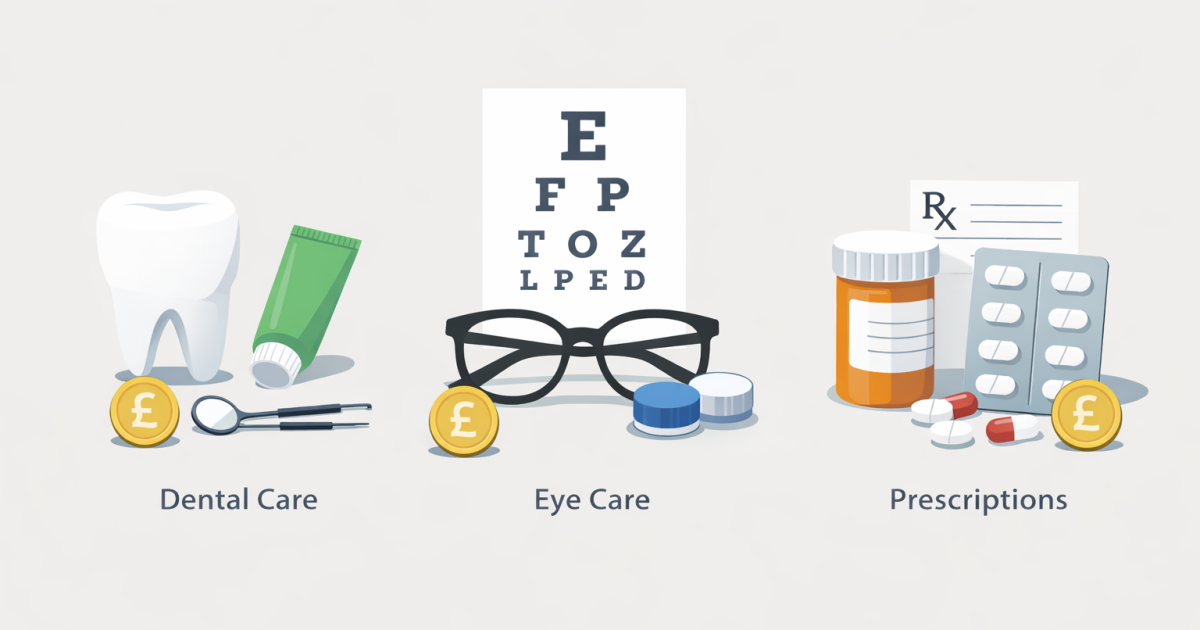
Table of Content
1. Why Nigerian Students Compare Diploma vs Foundation
2. What Is a UK Foundation Programme?
3. What Is a UK Diploma Programme?
4. Key Differences Between Diploma and Foundation Programme
5. Can You Change Course After a Foundation Programme in the UK?
6. When Changing Course After Foundation Is Allowed
7. When Changing Course After Foundation Is Not Allowed
8. Diploma vs Foundation: Which Is Better for Nigerian Students?
9. How to Choose the Right Pathway Before Applying
10. Final Advice for Nigerian Students
1. The NHS Myth Many Nigerian Students Believe
Many Nigerian students arrive in the UK believing that once they pay the Immigration Health Surcharge, all healthcare is free. This assumption is one of the most common and costly misunderstandings international students make.
Yes, the UK has the National Health Service. Yes, students pay the Immigration Health Surcharge as part of their visa application. But no, this does not mean every medical need will be covered at no cost.
Dental treatment, eye care, and prescription charges are some of the biggest hidden healthcare expenses Nigerian students face. These costs often appear suddenly and can strain already tight budgets.
Understanding these costs early is not just about health. It is also about financial stability, mental wellbeing, and long term visa compliance.
2. What the NHS Actually Covers for International Students
The NHS provides basic healthcare, not complete coverage for all services.
When you pay the Immigration Health Surcharge, you gain access to NHS services similar to UK residents. This includes:
GP consultations
Emergency treatment
Hospital care when medically necessary
Some mental health services
However, several important services are either partially subsidised or not covered at all. Dental care, optical services, and prescriptions fall into this category.
Students who do not understand this distinction often delay treatment until issues become severe, leading to higher costs and stress.
3. Dental Care Costs Nigerian Students Do Not Expect
Dental treatment is one of the biggest healthcare shocks for Nigerian students.
NHS dental care is not free for most students. While some basic treatments are subsidised, patients still pay significant amounts depending on the type of care needed.
Common costs include:
Check ups and basic cleaning
Fillings
Extractions
Root canal treatments
Private dental care is even more expensive. Many students discover that NHS dentists have long waiting lists or are not accepting new patients, forcing them to seek private treatment.
Ignoring dental issues often leads to emergencies, which are more expensive and disruptive. Dental pain can affect attendance, concentration, and academic performance.
4. Eye Tests, Glasses, and Vision Care Expenses
Eye care is rarely free for international students.
Eye tests in the UK usually require payment unless you qualify for specific exemptions. Glasses and contact lenses are almost always paid out of pocket.
Typical expenses include:
Eye examination fees
Prescription glasses
Contact lenses and solutions
For Nigerian students who already wear glasses, replacing or updating prescriptions in the UK can be surprisingly costly. Vision problems left untreated can affect reading, screen use, and overall academic performance.
Students often do not budget for eye care at all, assuming it falls under NHS coverage. It does not.
5. Prescription Charges and Medication Costs
Prescription costs add up quickly for students managing ongoing conditions.
In England, most adults pay a standard charge per prescription item. This means if you are prescribed multiple medications, you pay for each item separately.
This affects students managing:
Chronic conditions
Mental health treatment
Allergies
Recurrent infections
Some students qualify for reduced costs through prepayment certificates, but many are unaware of this option.
Failing to budget for prescription charges leads some students to skip medication, which can worsen health issues and impact studies.
6. How Healthcare Costs Can Affect Visa Compliance and Finances
Unplanned medical expenses can indirectly affect your visa compliance.
When healthcare costs drain your finances, students may:
Increase working hours illegally
Take cash in hand jobs
Miss classes due to untreated illness
Fall behind on rent or bills
These reactions can lead to visa breaches, academic withdrawal, or financial distress. Healthcare costs may seem unrelated to immigration, but they often trigger compliance issues.
This is why financial readiness should include realistic healthcare budgeting. An Initial Eligibility Check helps assess whether your overall plan can support UK life beyond tuition.
7. Common Mistakes Nigerian Students Make With UK Healthcare
Most problems come from assumptions, not lack of intelligence.
Common mistakes include:
Assuming dental and eye care are free
Delaying registration with a GP
Ignoring early symptoms to avoid costs
Not budgeting for prescriptions
Seeking advice only when the issue becomes urgent
Healthcare in the UK works differently from Nigeria. Waiting until something becomes unbearable often increases both cost and risk.
Students who understand the system early make better health and financial decisions.
8. Planning Properly to Avoid Medical and Financial Shocks
Smart planning protects your health, finances, and visa status.
Before and after arrival, Nigerian students should:
Register with a GP immediately
Research NHS dental practices early
Budget separately for dental, eye care, and prescriptions
Consider prepayment certificates if on regular medication
Seek advice early when health costs become overwhelming
If you are unsure how healthcare costs fit into your study plans or you are already struggling, do not navigate this alone. The UK Study Advisory exists to guide Nigerian students through real life challenges that affect their studies and immigration status.
Frequently asked questions
No. Most dental treatments require payment even under NHS care.
Yes. Most students pay per prescription item unless exempt.
Usually no. Eye tests and glasses are typically paid for by the student.
Indirectly, yes. Financial strain can lead to compliance issues if not managed properly.