What Happens If UK Immigration Pulls You Aside at the Airport
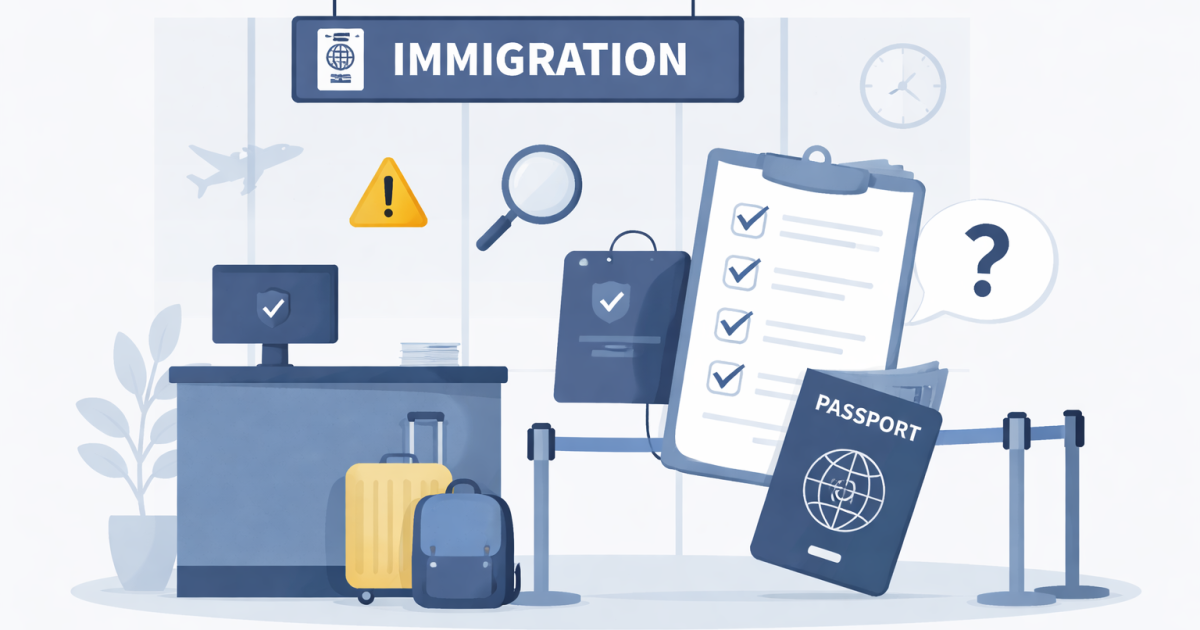
Table of Content
1. Why Nigerian Students Are Sometimes Pulled Aside
2. What “Secondary Screening” at UK Immigration Really Means
3. Common Reasons Nigerian Students Are Questioned at the Airport
4. Documents UK Border Officers May Ask to See
5. Questions You Are Likely to Be Asked and How to Answer Correctly
6. What Happens If the Officer Is Not Satisfied
7. How to Protect Yourself Before You Travel
8. Turning Border Screening into a Smooth Entry Experience
1. Why Nigerian Students Are Sometimes Pulled Aside
Being pulled aside by UK immigration officers at the airport is a stressful experience for many Nigerian students, especially first-time travelers. This situation often creates panic because of rumors, exaggerated stories, and misinformation shared online.
The reality is that being taken aside does not automatically mean you are in trouble. It is usually part of a routine process called secondary screening, which allows border officers to verify your intentions, documents, and compliance with UK immigration rules.
If you are unsure whether your documents, funding, or travel plans meet UK requirements, it is strongly advised to confirm your readiness through the Initial Eligibility Check.
2. What “Secondary Screening” at UK Immigration Really Means
Secondary screening happens when a border officer needs additional clarification beyond the initial passport check. This process is legal, structured, and common for international students.
You may be escorted to a separate area where officers ask questions and review your documents more closely. This does not mean refusal of entry. It means the officer wants confirmation that:
You are a genuine student
Your visa conditions are clear
Your documents align with your stated purpose
Students who understand this process remain calm and answer confidently, which often leads to quick clearance.
3. Common Reasons Nigerian Students Are Questioned at the Airport
Nigerian students are not singled out arbitrarily. Most secondary screenings happen due to specific triggers, including:
Inconsistent answers about your course or university
Lack of clarity about accommodation arrangements
Weak explanation of funding sources
Mismatch between travel history and current visa type
Nervous or contradictory responses
These issues are avoidable with proper preparation. Many of them are discussed in UK Border Questions Nigerian Students Are Asked.
Understanding these triggers helps you prepare accurate, confident answers.
4. Documents UK Border Officers May Ask to See
During secondary screening, officers may request any of the following:
Passport with valid UK Student Visa
CAS letter from your university
Offer letter or admission confirmation
Proof of accommodation
Evidence of funds or sponsor support
Return or onward travel plans
Contact details of your institution
Failing to carry these documents does not automatically mean refusal, but it raises doubts. Students should always travel with both physical and digital copies.
To fully understand CAS-related expectations, read CAS Letter Meaning for Nigerian Students.
5. Questions You Are Likely to Be Asked and How to Answer Correctly
UK border officers focus on intent and credibility. Common questions include:
Why did you choose this university?
What course are you studying?
How will you fund your studies?
Where will you live in the UK?
Do you plan to work while studying?
Your answers must be honest, consistent, and aligned with your visa conditions. Avoid guessing or overexplaining. If you do not know an answer, say so clearly.
If you want structured preparation on how to present yourself correctly, guidance through UK Study Advisory is strongly recommended.
6. What Happens If the Officer Is Not Satisfied
If the officer remains unconvinced after questioning, several outcomes are possible:
Additional verification with your university
Temporary holding while checks are completed
Entry refusal in rare cases where fraud or misrepresentation is suspected
Entry refusal is uncommon for genuine students with correct documentation. However, mistakes like false statements or inconsistent information can escalate the situation.
To understand serious consequences, review What Can Get a Nigerian Student Deported from the UK While Studying.
7. How to Protect Yourself Before You Travel
Preparation is your strongest defense at the UK border. Before traveling:
Review your visa conditions carefully
Memorize key details about your course and university
Confirm accommodation arrangements
Ensure funding explanations are clear and truthful
Carry all essential documents
Students who prepare properly rarely face extended questioning.
A full readiness guide is outlined in What to Do After UK Student Visa Approval in Nigeria.
8. Turning Border Screening into a Smooth Entry Experience
Being pulled aside by UK immigration does not define your journey. Your preparation, honesty, and confidence determine the outcome.
Most Nigerian students who:
Understand the process
Carry correct documents
Answer questions calmly
Follow visa rules
are admitted without issues, even after secondary screening.
If you want professional guidance to ensure your travel, documentation, and border responses are fully compliant, get expert support through UK Study Advisory.
Frequently asked questions
No. It only means further checks are needed.
Yes, but this is rare and usually involves misrepresentation.
No. Calm, honest answers are best.
Yes, they may verify details if needed.